

March 13, 2026
It can start with an urgent message claiming you owe duties to Canada Post, a senior executive at your company needs a “quick favour,” or that your home electricity will be shut off due to an unpaid bill.
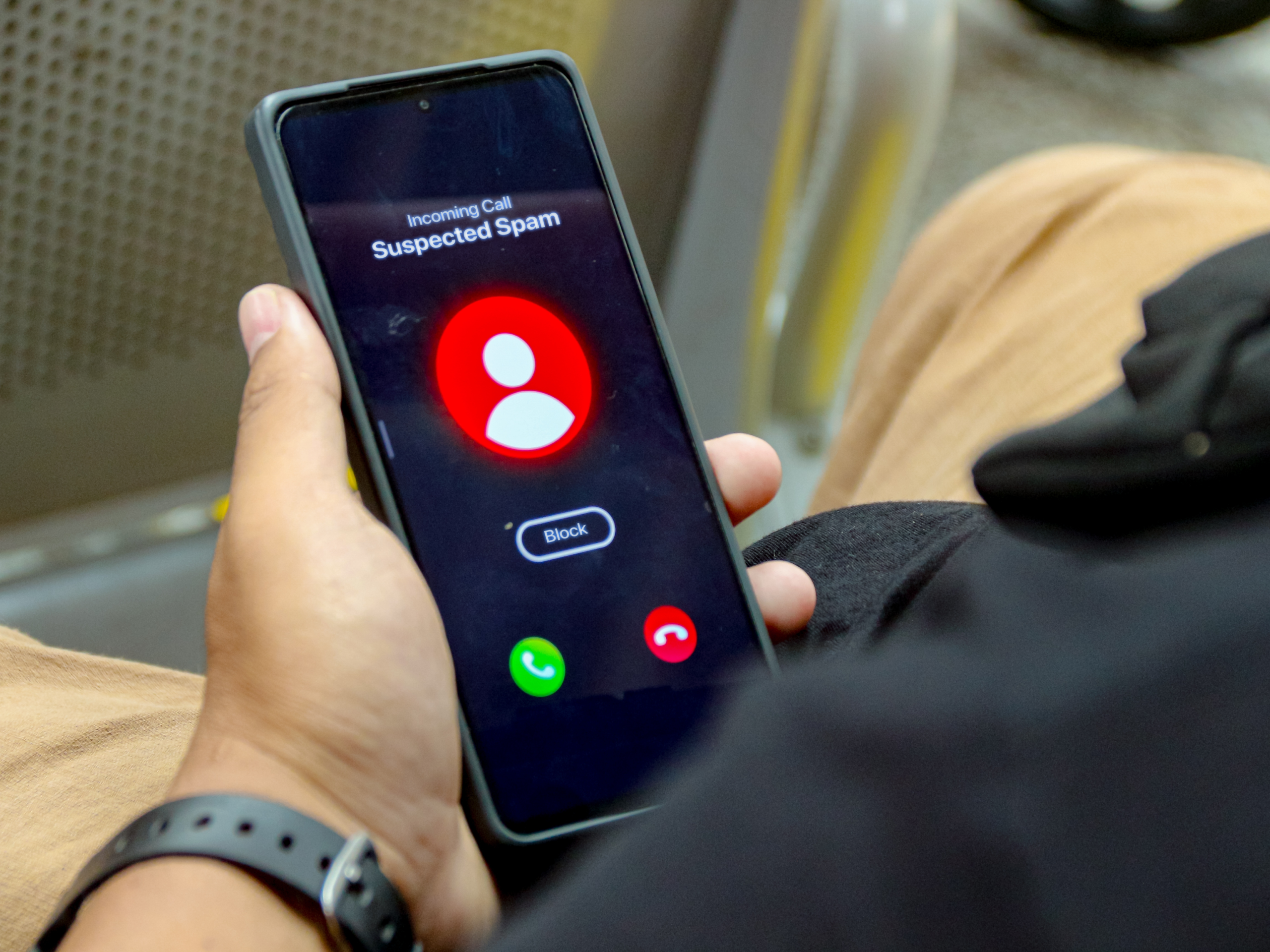
March is Fraud Prevention Month, a critical reminder that as fraudsters evolve their tactics and messaging, our responses must keep pace. Protecting yourself requires understanding the red flags to watch out for and the ways you can guard against potential scams. Last week, we explored the ways telecom providers use modern technology to stop and identify suspicious calls and messages before they reach you, and the built-in tools your device uses to help filter and identify potential scams. This week, we highlight some modern scam techniques Canadians should be aware of and some of the steps you can take to help protect yourself against certain types of fraud.
Evolving Fraud Tactics
The four broad categories of fraud outlined below highlight some of the most common ways fraudsters are currently attempting to use the internet and other telecommunications services to obtain consumers’ personal information. While telecommunications providers and other partners continue to implement safeguards to help prevent these scams, fraudsters constantly adapt their tactics and look for new opportunities to target Canadians. For a more comprehensive overview of common scams and fraud types, visit the Canadian Anti-Fraud Centre at https://antifraudcentre-centreantifraude.ca.
Phishing/Smishing/Vishing
Fraudsters often impersonate trusted organizations — such as financial institutions, government departments, or well-known companies — to convince consumers to share sensitive personal or financial information. These scams may arrive by email, text message, or phone call. Phishing scams typically involve messages that prompt consumers to click a link or open an attachment that appears to come from a legitimate source, while vishing occurs through voice calls that often create a sense of urgency to pressure individuals into acting quickly.
Stay Safe: Never click suspicious links or share personal info over the phone. When in doubt, contact the company directly using a trusted phone number or email.
Online Fraud
Fraudsters also use online platforms and digital services to mislead consumers and encourage them to share personal information or send money. By creating convincing online content or impersonating legitimate organizations, scammers attempt to build trust and prompt individuals to act before verifying the request. Common examples include fake websites that mimic legitimate businesses or government services to capture personal or financial information, as well as scams on social media that promote fraudulent job opportunities, giveaways, or investment offers.
Stay Safe: Always verify website URLs and be cautious of deals that seem too good to be true.
Malware/Spyware
Some scams involve the use of malicious software designed to gain access to devices or sensitive information. This software — often referred to as malware or spyware — can be installed when someone clicks on a malicious link, downloads an infected file, or installs an unverified application. Once installed, malware can log keystrokes, steal login credentials, or give hackers remote access to a victim’s device. Some forms of spyware can silently monitor online activities, capturing banking details and other confidential data.
Stay Safe: Keep your software updated and avoid downloading apps from unverified sources.
Hacking
Cybercriminals may also attempt to gain unauthorized access to accounts by exploiting security weaknesses, such as weak passwords or previously compromised login credentials. In some cases, information obtained through past data breaches may be used to try to access other accounts if the same password has been reused across multiple services.
Stay Safe: Use strong, unique passwords and enable two-factor authentication (2FA) wherever possible.
Reporting Fraud Attempts: Your Actions Protect Others
If you’ve been targeted, reporting it to authorities can help them map these networks and protect other Canadians.
You can forward scam text messages for free to 7726 (SPAM) so your provider can investigate them and you can report any kind of fraud to the Canadian Anti-Fraud Centre at 1-888-495-8501, or online at https://reportcyberandfraud.canada.ca.
If you suspect you’ve become a victim of fraud:
- Secure Your Accounts: Call your bank immediately if you shared financial info. Contact your telecom provider immediately, if you suspect your mobile device, SIM card or account have been compromised.
- Call Local Police: If you’ve lost money or your identity is stolen, file a report.
Being caught up in a fraud attempt may feel embarrassing but it happens to tens of thousands of Canadians each year. Reporting suspected fraud to the appropriate authorities is our best collective defence.
Stay Sharp Year-Round
While Fraud Prevention Month is a great time to refresh your skills, the fight continues 365 days a year. By staying alert and sharing these tips, we can reduce the impact of fraud and create a more secure digital environment for everyone.
For more fraud prevention tips and to explore our latest security resources, visit our anti-fraud page here. You can also see our previous blog post, Fraud Prevention Month: Protecting Canadians from Scam Calls and Messages, here.